The plan that’s still therewhen the power isn’t.
The free check showed you where your household is exposed. The full plan closes the gaps: the exact amounts you need, a job for every person, 32 crisis scenarios run against your real situation, and a printed binder you can pick up in the dark.
Opens ClickBank’s secure checkout in a new tab. You’ll see the price there, before you pay anything. 60-day money-back guarantee.

- 22
- sections, written for your household
- 32
- scenario tests, run against your real home
- 1
- printed binder, plus a card for every person
- 60 days
- money-back guarantee, through ClickBank
Where preparing quietly goes wrong
Most prepared households do have supplies. What they don’t have is the arithmetic. These three failures hide inside a perfectly good stockpile. They only show up when your fuel, your people and your vehicle are counted together, and that is the one thing a checklist can’t do.
Fuel competition
The generator and the evacuation vehicle drink from the same few jerry cans in the shed. Run the generator for two days and you can’t leave.
A home with a generator and one fuel supply
Medication buffer
Four daily prescriptions, a five-day supply, and a plan that quietly assumes the pharmacy reopens on day three.
A multi-generation household
Seats versus people
Two adults, three kids, five seats. Plus the dog, and Grandma’s wheelchair. Someone is staying behind, and nobody has decided who.
A family of seven with one vehicle
Illustrative examples of the checks the plan runs. They are not customer stories. Every household’s gaps are its own.
What the free check does, and what it can’t
The free check tells you what is wrong. It can’t write the fix, test it against a real crisis, or put it on paper. That is the full plan.
The free check
You have this already.
- A readiness score across the areas, from your own answers
- Every gap, in order of how much it matters
- Any area worked through in more detail
- Your Family Water Plan, finished
The full plan
One payment. No subscription.
- Everything in the free check
- The other 21 sections, written for your household
- 32 scenario tests, run against your real home
- A task list in the order things fail
- A supply tracker: what you have, what you need, the shortfall
- A printed binder and a card for every person
Inside the binder: 22 sections
Each section is built from your own answers: your people, your medications, your fuel, your house, your roads. This is the contents page of the binder you’ll print.
Know your situation
Who you are planning for, what could hit you, and who does what.
- Household Profile01
- Threat & Risk Assessment02
- Person-Level Subplans03
- Roles & Responsibilities04
- Location Readiness Assessment05
Stay put
Water, food, power, medication and shelter when you are riding it out at home.
- Water Continuity Plan06
- Family Water Plan07
- Food Storage & Rotation Plan08
- Power & Light Plan09
- Medical & Medication Plan10
- Sanitation & Hygiene Plan11
- Shelter-in-Place Plan12
- Home Security & Defense Plan13
Get out
When to leave, which way, where to, and what goes in the vehicle.
- Stay vs. Leave Decision Matrix14
- Evacuation & Movement Plan15
- Movement Contingency Matrix16
- Destination Readiness17
- Go-Bag & Loadout Plans18
Stay in touch and stay solvent
Reaching each other, meeting up, and keeping the money and the papers in order.
- Communications Protocol19
- Meeting Places & Reunification20
- Documents & Financial Readiness21
- Financial Continuity Plan22
Break it now, on paper
Pick a crisis and a length of time, and the plan runs your actual household through it. Hour six: the fridge. Day two: the well pump, because it shares a circuit with everything else. Day four: the medication, because you had a three-day buffer.
Every test shows what fails first, when it fails, and the one change that would stretch it. You find out now, while the fix is a trip to the hardware store and not a bad night.
Field report
Sample
Illustrative example. Your report reflects your own household.
Eight threats. Four lengths. 32 tests.
Every cell is a test run against your household, not an average one.
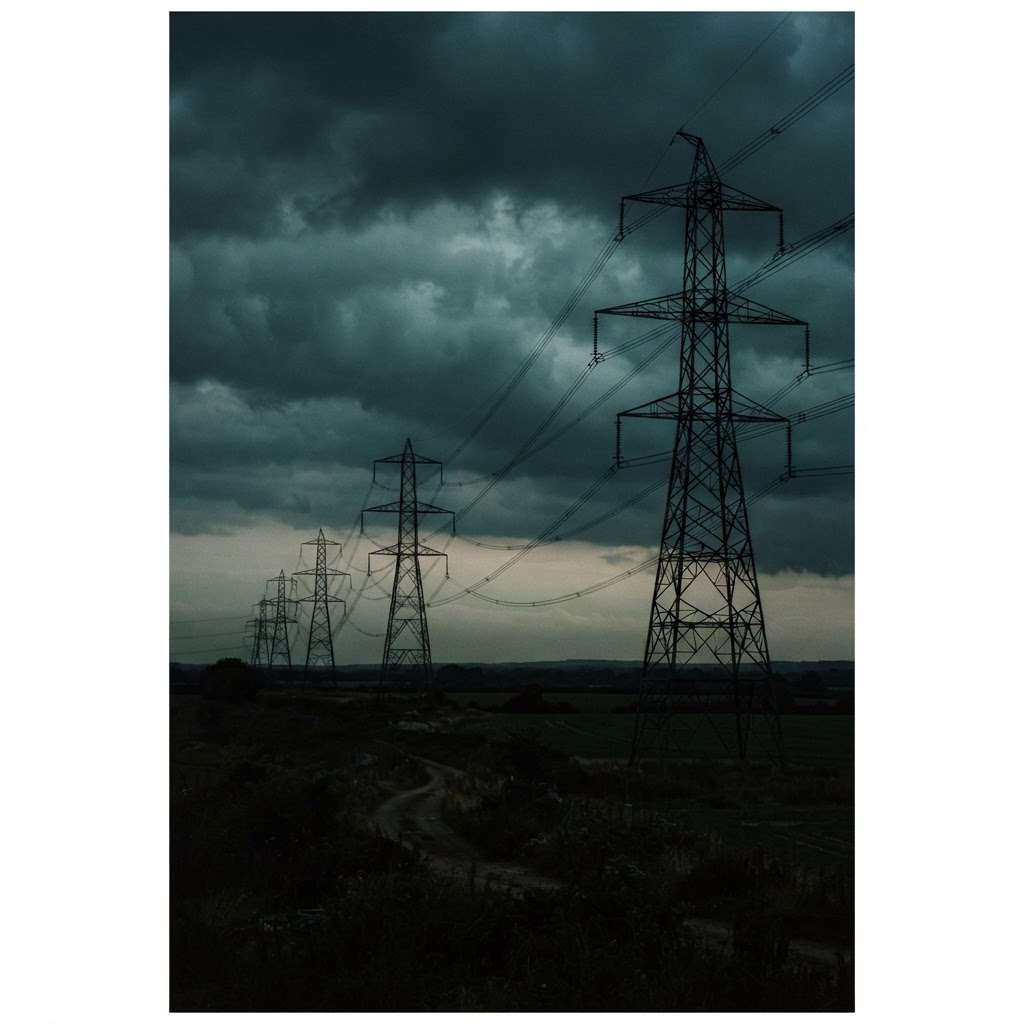
72 hours, grid down
Extended power outage
The fridge, the furnace, the well pump and the phones, all at once.
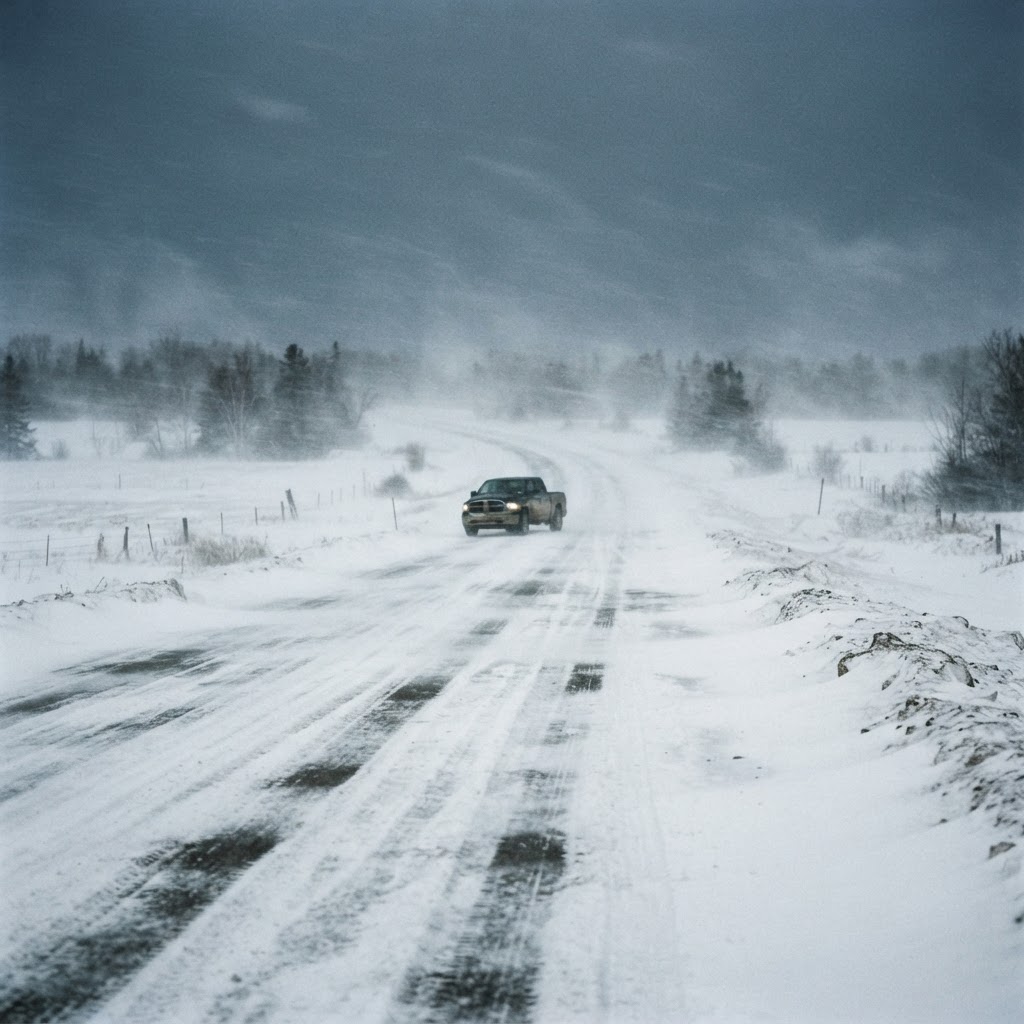
7 days, winter
Severe weather and blizzards
Keeping one room warm, and doing it without poisoning anyone.
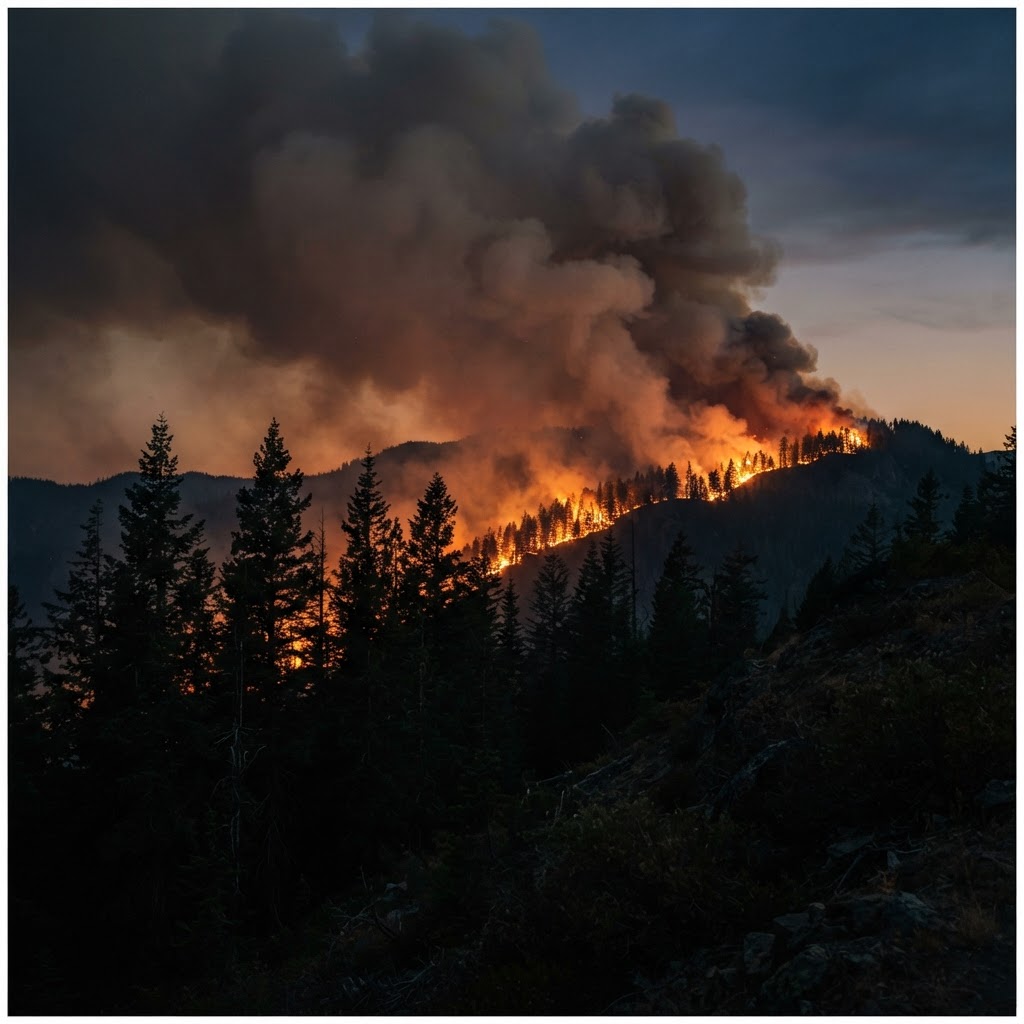
72 hours, evacuation
Wildfires and evacuations
Fifteen minutes of notice, and one road already blocked.
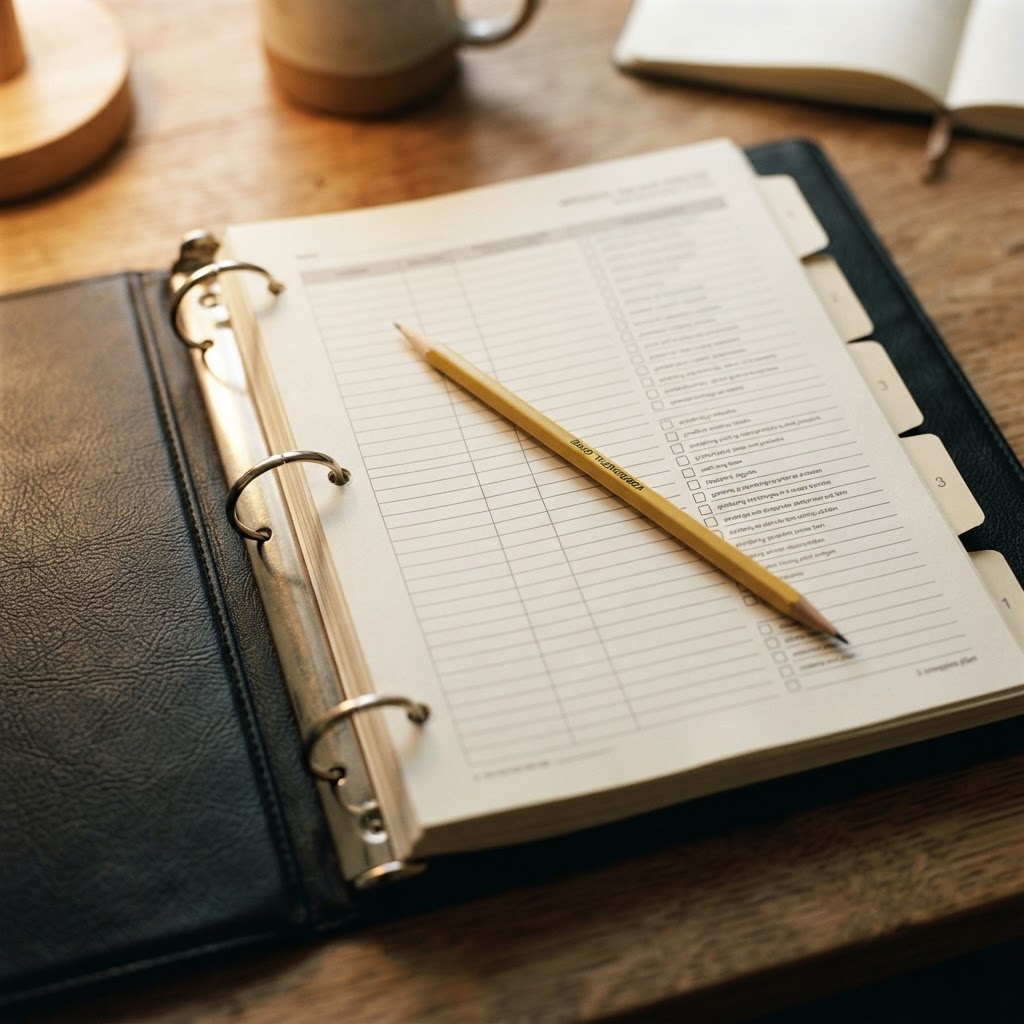
A plan that works with the power off
An app that only works while the phone works isn’t an emergency plan. Everything you build compiles into a printed binder, the kind you can hand to your spouse or your fourteen-year-old and say, “If I’m not here, follow this.” Keep one on the shelf and one in the vehicle.
- Who lives here, with every person’s medications, devices and allergies on one page
- Where you’re going, how you get there, and who loads what
- How the family reaches each other when the phones don’t work
- Emergency contacts, account numbers, and where every document lives
- One-page quick sheets you can hand to a spouse, a teenager or a neighbour
A task list in the order things fail
What to fix first, second and third, so the weakest link gets closed before anything else.
A supply tracker
What you have, what you need for your goal, and the shortfall, kept up to date as you buy.
A card for every person
Each person gets their own card, so a teenager or a neighbour can pick it up and know what to do.
The plan only helps if it exists before the outage.
You’ll see the price on ClickBank’s secure checkout page. 60-day money-back guarantee.
What happens when you click
- 1
Check out on ClickBank
ClickBank is the retailer. You see the price, any taxes and your payment options on their secure page before you pay anything.
- 2
Sign in with the same email
Your plan unlocks as soon as ClickBank confirms the payment, usually within a few minutes.
- 3
Set up your household
Tell the plan who lives with you, what you have and where you live. Every section is built from that.
Before you decide
- “We already have supplies.”
- Supplies are half of it. A full basement doesn’t decide who picks up the kids, how long the medication keeps, or when it’s time to leave. The plan does.
- “Can’t I just do this myself?”
- You can, and the free check has already shown you where to start. The full plan writes it down for each person, tests it against 32 scenarios and prints it. It does that last stretch for you.
- “I’ll do it later.”
- Nothing on this page expires and there is no countdown. The only deadline is the outage, and nobody gets notice of that.
- “What if it isn’t for us?”
- Then you get your money back. The 60-day guarantee runs through ClickBank, and you don’t have to prove anything is wrong.
60-day money-back guarantee
Build your plan, run the scenarios, print the binder. If it doesn’t leave your household better prepared, ask ClickBank for a refund within 60 days of buying. You don’t have to prove anything is wrong. ClickBank handles the refund, and the Refund Policy in the footer explains how.
I built Crisis Planner because most emergency advice stops at generic lists, and a household with refrigerated medication, a power-dependent well, pets, limited fuel, or an older parent can’t rely on the same plan as everyone else. The details are the plan.
It’s made for ordinary families: look hard at your real situation, test the assumptions you’ve been quietly relying on, and leave with a short, specific list of what to do next. Not to scare anyone. To get you ready.
Questions you’d be right to ask
What does it cost?
One payment. There is no subscription and nothing renews. ClickBank shows the exact amount, including any taxes and currency conversion, on its secure checkout page before you pay.
How soon do I get it?
Your plan unlocks when ClickBank confirms the payment, usually within a few minutes. Sign in with the email you used at checkout. If it still looks locked, enter your ClickBank receipt number in the unlock box on your plan page and it opens right away.
What do I need to use it?
A phone, tablet or computer with a modern web browser to build the plan. When it’s done you print the binder, so the plan itself needs no screen and no power.
The power’s out. How do I use an app?
You don’t. You use the binder. The plan prints on paper, with a card for each person, so it’s on your shelf and in your vehicle before you ever need it.
What shows on my statement?
ClickBank is the retailer and processes the payment. Your statement will show ClickBank or CLKBANK, not Crisis Planner.
What if the full plan isn’t for me?
Ask for a refund through ClickBank within 60 days. You don’t have to prove anything is wrong.
The next outage won’t wait for you to be ready.
- 22 sections, written for your household
- 32 scenario tests
- A printed binder and a card for every person
- A 60-day money-back guarantee
One payment. No subscription. You’ll see the price on ClickBank’s secure checkout page.